Pride In Places? Participatory Budgeting and Realising Community Power
After years of austerity politics, there is a new opportunity to realise the potential of community power within those communities most left behind. To unleash community power, we need to think about how public resources have traditionally been, and are still, being spent. And whether they are really based on community-led priorities? That means finding out more about the potential of participatory budgeting.
Just what is Pride in Place?
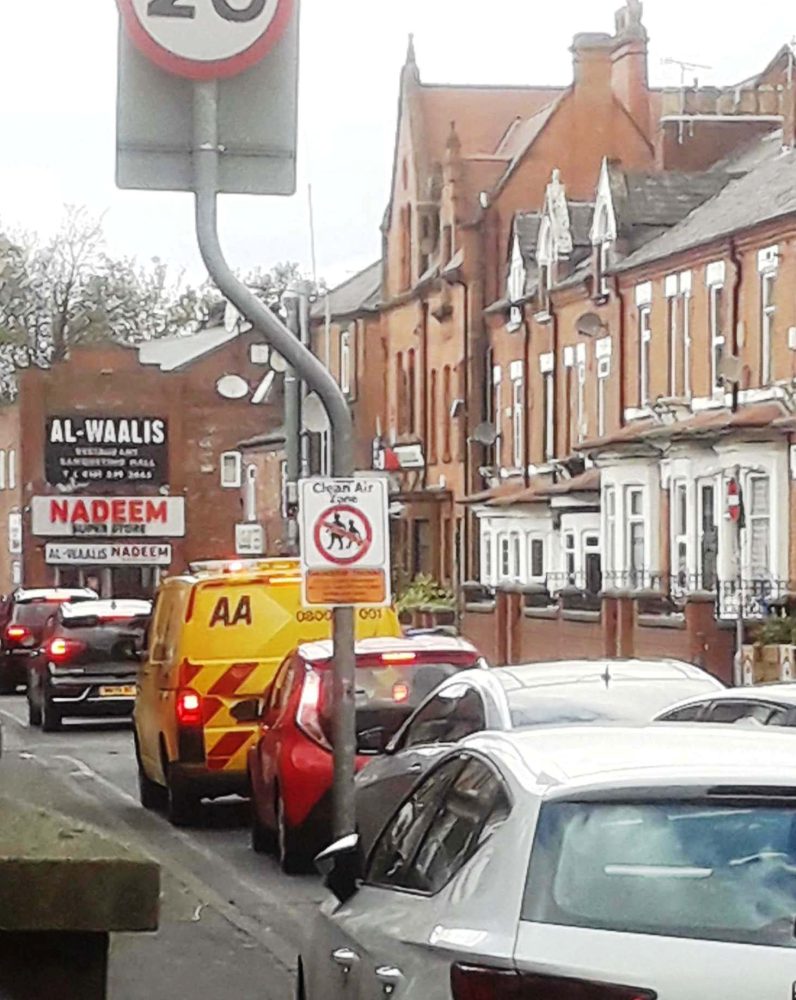
Last autumn the government announced a £5 billion public investment programme in the communities most affected by social inequality and long term decline. The Pride in Place programme offers extra funding in over 300 communities, of up to £20 million in each over ten years. That’s £2 million a year to help close a yawning inequality gap and bring about a community-led grassroots regeneration. CLES has provided a helpful map, and discussion on community wealth-building, linked above.
Local authorities, the accountable body and conduit for Pride in Place, are starting to work out how to deliver on the expectation of community-led regeneration. Within the many interventions listed as within scope, especially in the community power strand, participatory budgeting (PB) already features.
In each community there will be a locally convened ‘board’ to direct funding. It needs to demonstrate community support for its plans, and that it has engaged with communities. Arguably all of Pride in Place is a kind of PB.
“The programme emphasises a collaborative approach, with each Board co-creating a Pride in Place Plan in partnership with local authorities, MPs, and, most importantly, the community itself.”
For a deeper understanding of the complexity of these issues,
and from where this quote comes, this article is an invaluable read.
Are short term interventions the enemy?
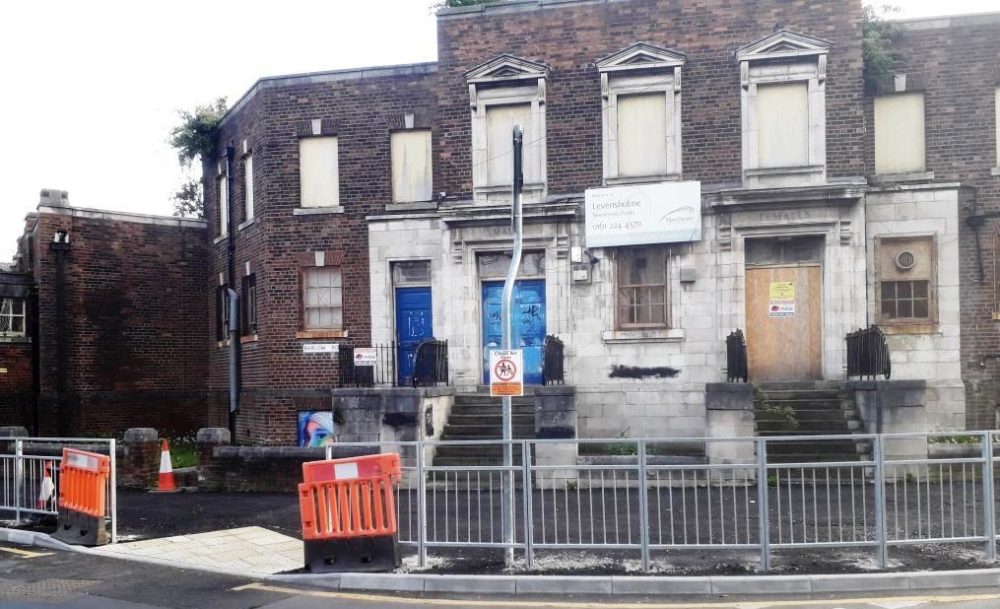
However, the risk is that new Pride in Place boards, struggling to cope with a decade of falling local authority budgets and deteriorating high streets will rush to plug some obvious gaps without taking on deeper ways of working. Thereby, filling the metaphorical (and physical) potholes, which have been created over many years, without learning from past regeneration processes. As put in a wide-ranging blog by Prof. Donna Hall and Andrew Laird:
“Involving just funded community organisations in a Neighbourhood Board isn’t a meaningful shift of power to people. Communities should be seen as the solution rather than ‘demand’ on the system and need to be properly involved.”
Can we avoid, now that a funding tap has been turned back on, replicating ‘quick win’ solutions, which have not previously worked? Or, that allow funding to flow straight back out of those communities, as recognised in too many regeneration programmes of the past. When there is a focus on capital spending, or external consultants, and a rush to deliver visible change, experience has shown this is, put simply, not the way to go.
This is due to some entrenched structural, financial, and strategic shortcomings, which prioritised physical redevelopment and imposed solutions over more social, long-term outcomes. Made worse, arguably, by some outmoded models of top down local democracy. Still, there is an exciting opportunity available to bring about meaningful change. But what does this look like?
Build participation in budget-making, and build carefully
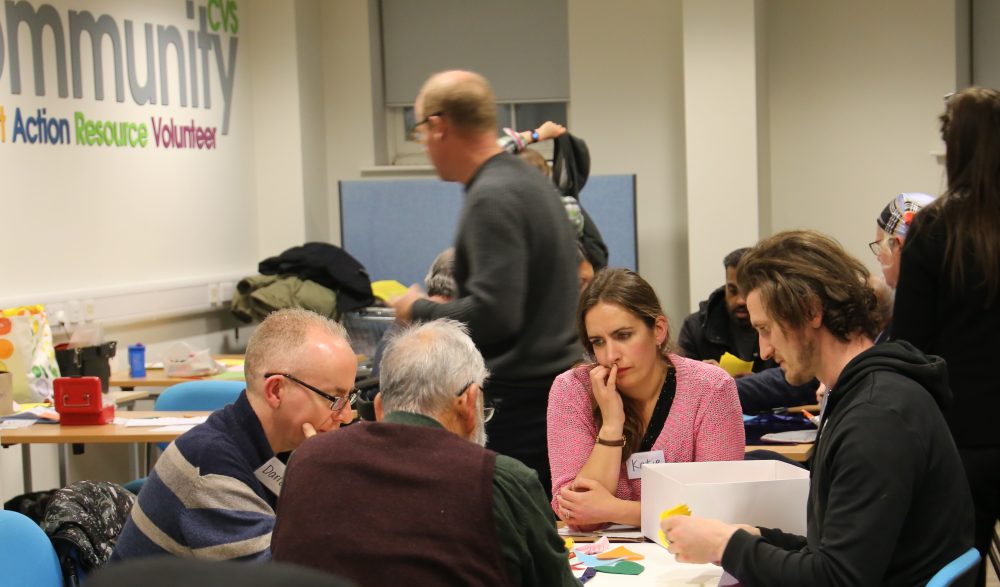
Participatory budgeting has been a successful approach, proven internationally to benefit those who are most marginalised or have disengaged from trusting government. And it has been proven to direct scarce resources to what really matters to build strong communities. Bringing a focus on investment in the sorts of ‘determinants’ that build better health, opportunity, education and social cohesion, and real Pride in Places.
Communities have changed and are ever changing, and so have their needs and wants. Rather than being blinded by the hollow promises of re-gentrification, or appealing to a nostalgia for ‘the good old days’, PB is an asset based approach to community led regeneration. As we navigate the way forward, we need meaningful and inclusive public engagement, and a real shift towards community power over the budget, to avoid these past mistakes.
How to turn community-led budgeting into reality?
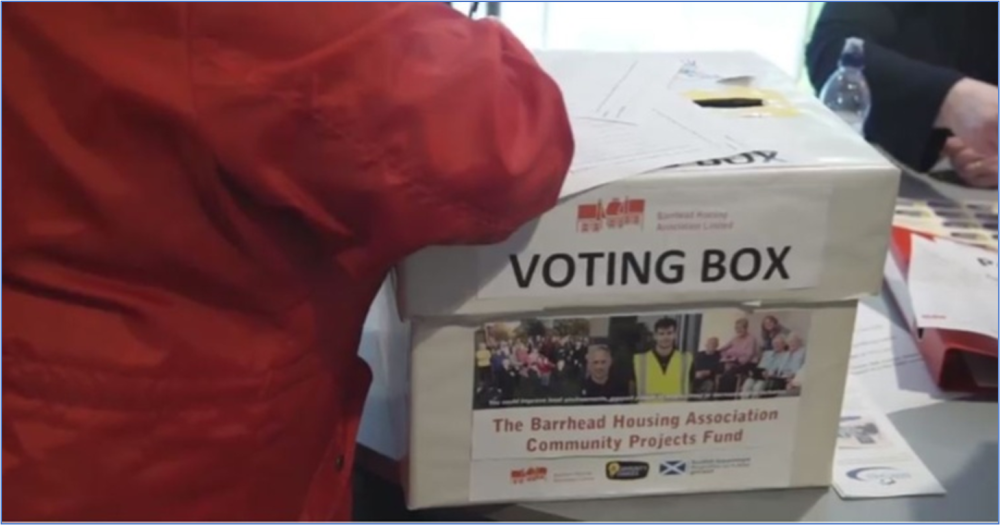
Shared Future has been doing this work over many years and while we’re excited about the potential, we are also wary that established patterns of behaviour that will limit innovation and undermine community power.
The first annual cycles of Pride in Place, and the vision setting in the first year, need to get it right. Not doing so risks replicating those past problems, baking in top down urban planning, and ‘doing to, not with’. Whilst failing to maximise the potential that lies in every community.
It’s not rocket science. If you are leading a new Pride in Place initiative, and want to get it right, here are our top tips. Expand a box to read more.
Consider using a randomly selected ‘community design panel’ to compliment your programme board. It can add in new perspectives, go beyond those normally engaged, delve deeper into the local context, and show governance is locally rooted ‘by design’. For examples, look at our work on citizens juries and assemblies, which could be adapted to provide community oversight of PB funding and shape wider plans.
We’ve co-created Values, Principles and Standards for participatory budgeting. Many would be appropriate for any Pride in Place programme. Establishing your own way-of-working principles, or a ‘community charter’ can help ensure community power is more than a buzz word. Read more about the PB values.
Understanding complex and entrenched problems requires building deep trust and knowledge. Enable residents to become your researchers, and tell the real community story, before jumping onto obvious conclusions about what would make a difference. In Lancaster District, and elsewhere, we’ve trained local people to do just that. The Greater Manchester Participation Playbook also provides guidance on good quality community research.
Bringing people together takes skills, time and patience. Facilitation can help ensure that conversations are productive, and manage inevitable conflict. When done well, deliberation can produce compelling recommendations and build the confidence to continue to engage. Using creative techniques can help include everyone. Read our blog on creative facilitation.
We have over 20 years experience in developing PB programmes, and our website has many examples, and lots of free resources. Often watching videos of PB in practice are a good way to start; there are a selection in our resources. Or you can search for examples on our PB Knowledge bank. For more help and support contact us directly.
Our guide to evaluating participatory budgeting has examples of how to prove successful engagement beyond counting stuff. Many of the best qualitative evaluations are based on using storytelling and social reporting techniques. Or through well designed surveys and facilitated focus groups. Whatever you measure, make sure its built on the outcomes that matter to, and support by members of the community. Celebrate and shout about what goes well. Reflect and improve where needed.
Participatory budgeting can and should operate at scale, with decisions on major investments, delivered by public bodies, put out to a community vote. But some of the biggest value comes from smaller scale grant-making PB, that can energise and empower local action, and be sustained and evolve across the length of the programme. Read our guides to participatory-grant making and PB at scale.
Too many communities have seen sticking plaster approaches, that aim to quickly tackle complex problems. But those benefits can evaporate unless there is deeper culture change and investment in prevention. Years of PB experience shows communities will choose projects that support well-being, build social relations, foster local entrepreneurship and create opportunities for young and old. See how this has been done elsewhere, to build a regenerative economy.
Many Pride in Place areas are in coastal regions, or communities where fuel poverty, access to greenspace and to services are limited by geography or inadequate public transport infrastructure. Poorly heated, drafty or damp housing leads to ill-health, car use to air pollution, and the cost of living and lack of access to healthy natural food to issues of obesity. As climate heating leads to more flooding and adverse weather events, social inequalities will get worse, and the effects are already here. See how a just transition is being supported by participatory budgeting in Scotland, and how communities are using deliberative process to discuss and tackle these issues.
One of the common features of participatory budgeting is around how different partners and stakeholders can collaborate. Policing funds for crime prevention can connect to health funding for addiction or alcohol recovery. Housing providers can connect with high street and public realm improvements. Once a PB model has become established, it can become a regular touchpoint, connecting the community with wider service provision. And larger funders like the National Lottery Community Fund are increasingly supporting communities to lead on decision-making.
Taking it one step at a time
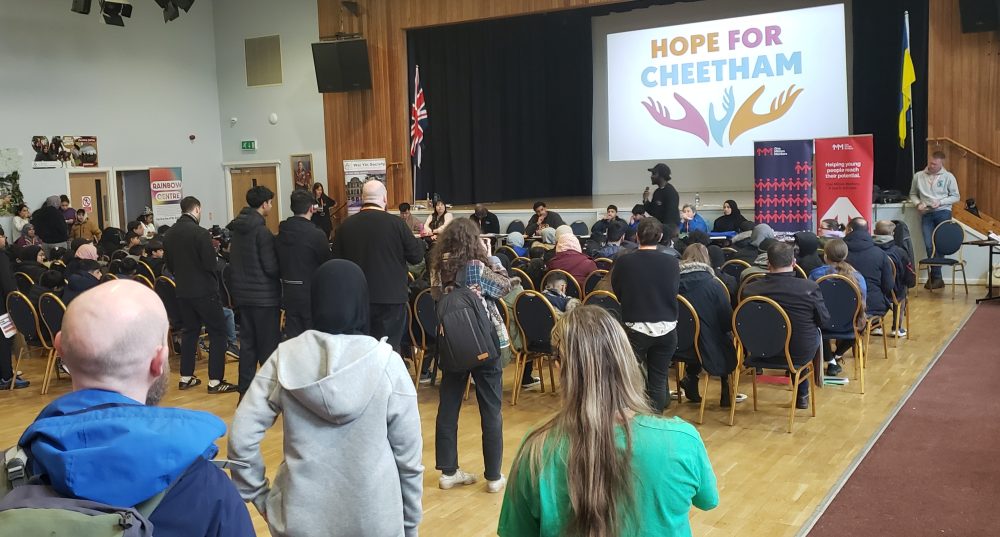
There is a lot to consider above, but help is at hand, and the first task is to be bite-sized and incremental. There is one really important learning around participatory budgeting, and building community power; that it has to endure, and grow, to bring about deeper benefits.
Pride in Place offers an opportunity to do a PB, but we wouldn’t expect all the £2m in the first year, and every year, to be spent through PB. That would be a mistake. But how about starting with a grant-making PB, of say £100k per year (which is only 5% of the total fund), decided by an inclusive and local public vote.
As the years roll by, extend that to an increasing amount of the overall fund. With increasingly larger projects, also decided by a public vote. Whilst also maintaining the smaller grants that can fund projects delivered by and in the community. Remembering that PB is not just about what you spend the money on. But changing, maybe just a little, how you decide on how to spend.
By running a public PB vote, you demonstrate that you are actually trusting the community, engaging the community, and are willing to innovate new models of local governance. Now is the chance to make real changes.
Talk to Us: If you want an informal conversation about adding PB, or other engagement tools like citizen’s juries and panels, to your Pride in Place programme, drop us a line.
Join our Pride in Place webinar: A one hour lunchtime introduction to Participatory Budgeting, focussed on Pride in Places. Taking place on Tuesday 17th March 2026, starting at 12.00pm.
Find out more about Participatory Budgeting: Explore our PB pages and toolkits to see what help and information is on offer.